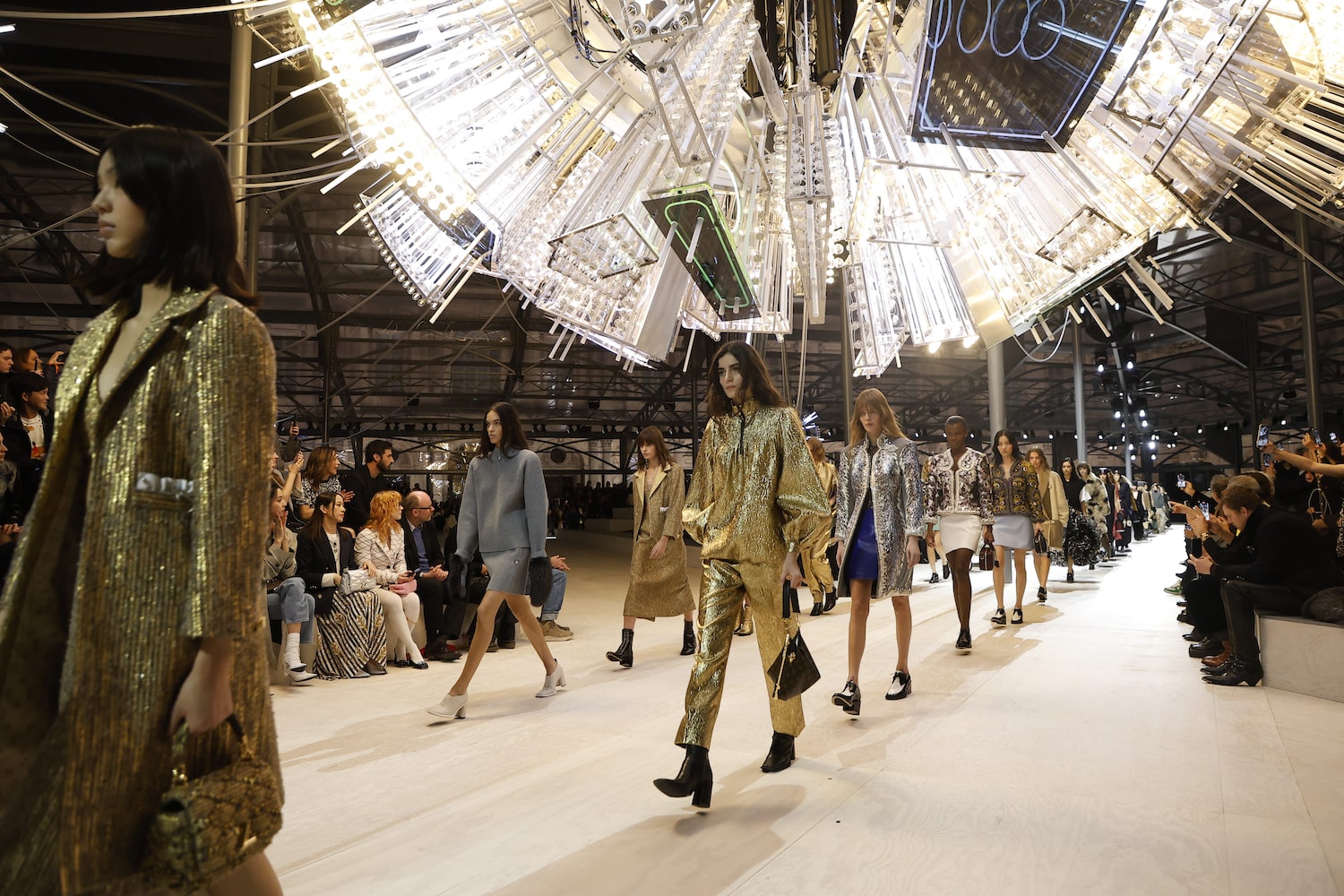
Fashion branding represents a multifaceted, evolving practice focused on shaping a distinctive identity for a fashion company or product, extending far beyond designing a logo or selecting a color scheme. It involves a spectrum of strategic efforts intended to forge a meaningful bond with the intended audience. This article delves into the diverse landscape of fashion branding, offering perspectives on its elements, relevance, and influence on the industry as well as its consumers.
Key Elements That Shape Fashion Branding
Identity: At the core of fashion branding is the creation of a unique identity. This identity is made up of several elements, including brand name, logo, design aesthetic, and brand story. A powerful fashion brand identity appeals not just through visuals but also by evoking a particular lifestyle or values. For instance, the luxurious appeal of Gucci is communicated through its bold patterns, iconic Double G logo, and a story of Italian craftsmanship.
Positioning: This involves determining where a brand stands in the market and how it differentiates itself from competitors. Through market analysis and consumer insight, brands identify gaps in the market and position their offerings to meet those needs. Nike, for example, has positioned itself not just as a maker of sports apparel but as a promoter of fitness and empowerment.
Target Audience: Successful fashion branding requires an in-depth understanding of the target audience. It involves segmenting consumers based on demographics, psychographics, and purchasing behaviors to tailor brand messages that resonate. A brand like Zara, for instance, targets fashion-savvy individuals who seek trendy styles at affordable prices, constantly refreshing its collections to align with consumer preferences.
Brand Experience: Fashion branding reaches far past the products themselves, encompassing the complete experience a brand delivers, from the design of its stores to the feel of its online platforms and the quality of its customer support. A standout brand experience nurtures loyalty and sparks positive word-of-mouth. Consider Apple’s retail stores, which are crafted to highlight a sleek, interactive, service-driven environment that elevates how its products are experienced.
The Importance of Branding in Fashion
Fashion branding plays a pivotal role in today’s fast‑moving fashion landscape, cultivating solid brand equity that strengthens consumer recognition and confidence. This equity often evolves into tangible financial advantage, enabling companies to justify premium prices and foster lasting customer loyalty. Interbrand’s annual report highlights this impact, noting that leading fashion names such as Louis Vuitton and Chanel secure prominent positions among the world’s most valuable brands thanks to their powerful branding strategies.
Moreover, fashion branding plays a pivotal role in storytelling, allowing brands to develop narratives that resonate with consumer aspirations. For instance, Patagonia’s branding emphasizes environmental sustainability, appealing to environmentally-conscious consumers and positioning the brand as a leader in ethical outdoor apparel.
The Influence of Digitalization on Contemporary Fashion Branding
Digitalization has transformed how fashion branding operates, and the expansion of social media now allows brands to interact with consumers more directly than ever. Platforms such as Instagram and TikTok serve as essential spaces for narrative creation and community building within the fashion world. The influence of fashion creators and brand ambassadors extends a brand’s message even further, using their own audiences to strengthen engagement and enhance authenticity.
The integration of technology in branding strategies has fostered personalization and interactivity. Brands utilize data analytics and AI to analyze consumer behavior and customize experiences. Burberry, a leader in integrating technology with fashion, utilizes data to personalize marketing efforts and offers virtual fashion shows, merging the digital and physical experience.
Fashion branding, with its intricate blend of identity, positioning, and immersive experience, stands as a vital pillar for building successful fashion businesses. It is an ever-evolving domain that adapts to cultural shifts, technological advancements, and changes in consumer behavior. Whether it’s through evocative storytelling, innovative digital engagement, or commitment to sustainability, the essence of fashion branding lies in its ability to create a lasting emotional connection with its audience. As the industry continues to evolve, those brands that master the art of branding will undoubtedly shape the future of fashion, guiding it towards new and exciting horizons.