
Marketing serves as a central force within the fashion industry, blending creative vision with commercial strategy to elevate brand visibility, deepen consumer interaction, and ultimately boost sales, while the sector relies on trend innovation and a strong brand identity, both shaped through carefully crafted marketing initiatives.
Customer Interaction and Brand Recognition
In a highly competitive fashion industry, standing apart is essential, and effective marketing allows fashion brands to cultivate a distinct and memorable identity; by using diverse strategies including storytelling, influencer collaborations, and visually driven campaigns, brands can engage and resonate with their intended audience, and Nike’s celebrated “Just Do It” initiative has long exemplified this by strengthening its image as an athletic leader while forging an emotional bond with consumers that inspires personal achievement.
The Rise of Digital and Social Media Marketing
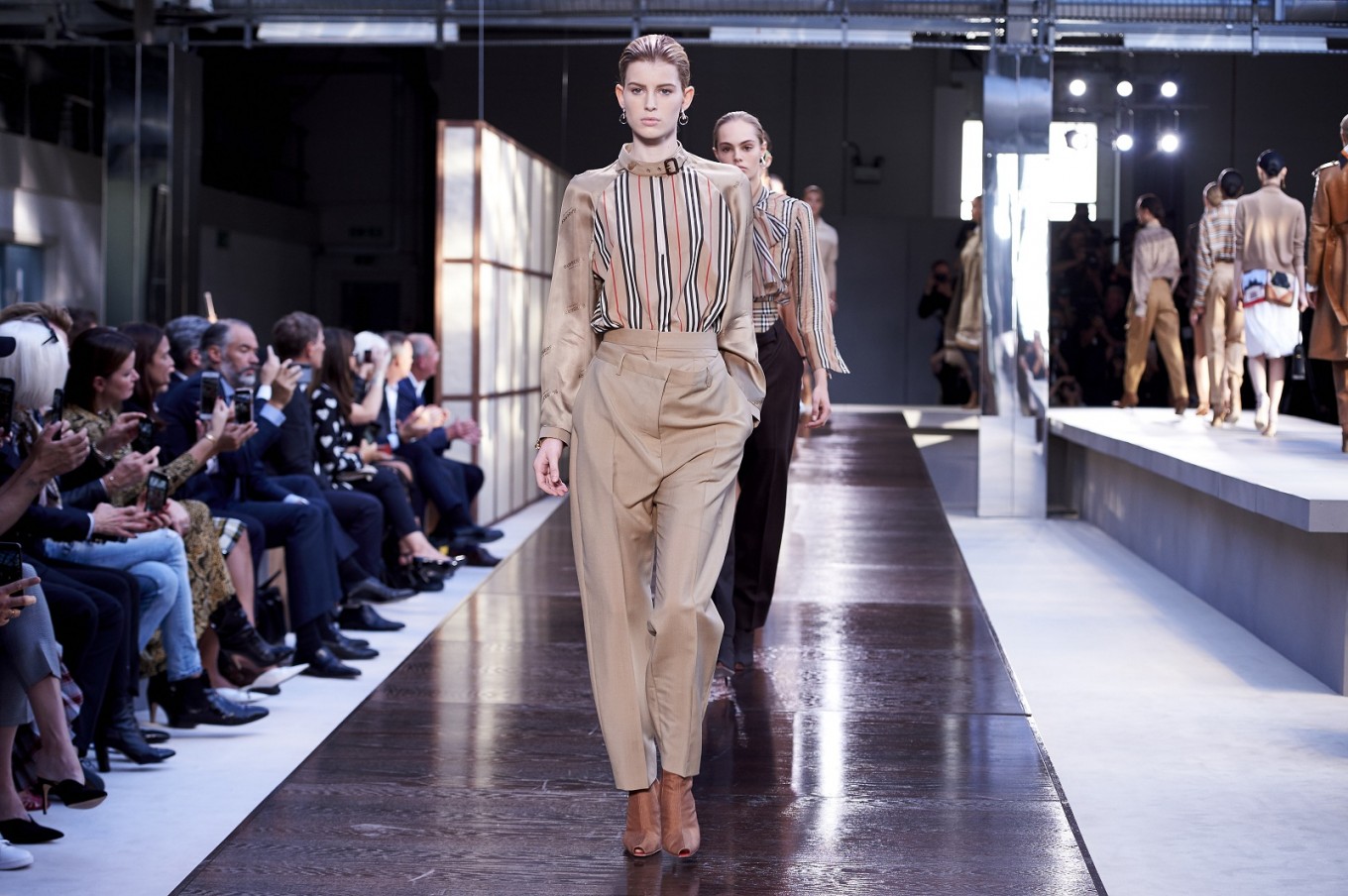
The digital age has transformed how fashion brands market their products. With the rise of social media platforms, brands have direct access to consumers, enabling real-time engagement and feedback. Platforms like Instagram, TikTok, and Pinterest have become essential tools for fashion marketing. These channels allow for visual storytelling and interactive content, which are perfect for showcasing new collections and promoting brand ethos. Louis Vuitton, for instance, utilizes Instagram for live streaming its fashion shows, providing unprecedented access to exclusive events, thus increasing global reach and engagement.
Influence of Content Marketing and Storytelling
Content marketing represents another vital pillar within fashion marketing strategies, using compelling and dynamic material to express a brand’s narrative, principles, and long-term vision while fostering a stronger bond with its audience. Brands such as Patagonia have leveraged this approach not only to present their products but also to emphasize their dedication to environmental sustainability. This strategy helps them appeal to consumers who prioritize ethical values.
Role of Influencers and Celebrity Endorsements
Influencers and celebrities hold significant power in the fashion industry due to their large followings and perceived authority. Collaborations and endorsements can propel brands into the spotlight. Fashion Nova, a brand that has thrived on influencer marketing, collaborates with hundreds of fashion influencers and celebrities, leveraging their reach to tap into new audience segments and rapidly grow its customer base.
Data-Driven Insights in Fashion Marketing
Data analytics significantly influence how marketing strategies are shaped across the fashion industry, as consumer behavior and preference insights allow brands to make well‑grounded choices regarding product creation, pricing, and promotional efforts. Retailers such as Zara rely on real‑time data to rapidly address market shifts, adjusting their product selections and marketing communications to closely reflect what consumers want. This responsiveness helps them sustain a strong competitive advantage.
Omnichannel Marketing Strategies
In today’s fashion world, delivering a smooth experience across every platform has become vital for capturing consumer attention, leading many brands to adopt omnichannel marketing approaches that blend digital and physical interactions; this approach guarantees that shoppers encounter a cohesive and compelling brand presence whether they browse online or visit a store, and a notable example is Burberry’s use of RFID technology, which provides customers with tailored in‑store experiences that fuse traditional retail with digital innovation.
Fashion marketing is an intricate tapestry of creativity, technology, and consumer psychology. As the industry evolves, marketing will continue to play an instrumental role in guiding brands through new challenges and opportunities. For fashion brands aiming to craft memorable identities and foster lasting relationships with consumers, marketing is not just an accessory—it is the fabric that holds the entire enterprise together.

:max_bytes(150000):strip_icc()/031225-paris-fashion-week-best-looks-2025-bf7e3e53cbdc418494573b0bb3d4418c.jpg "The Best Runway Looks from After a month-long parade of shows")
