
A fashion buyer is a crucial player in the dynamic world of fashion retail. In essence, a fashion buyer is responsible for selecting and purchasing apparel and accessories that will be stocked in stores. This role requires a deep understanding of fashion trends, consumer demands, and business acumen. Fashion buyers are the gatekeepers of style for retail brands, ensuring that the products align with the brand’s identity and appeal to its target demographic.
Key Responsibilities of a Fashion Buyer
Fashion buyers engage in a multi-faceted job that demands a mix of creative and analytical skills. Their responsibilities include:
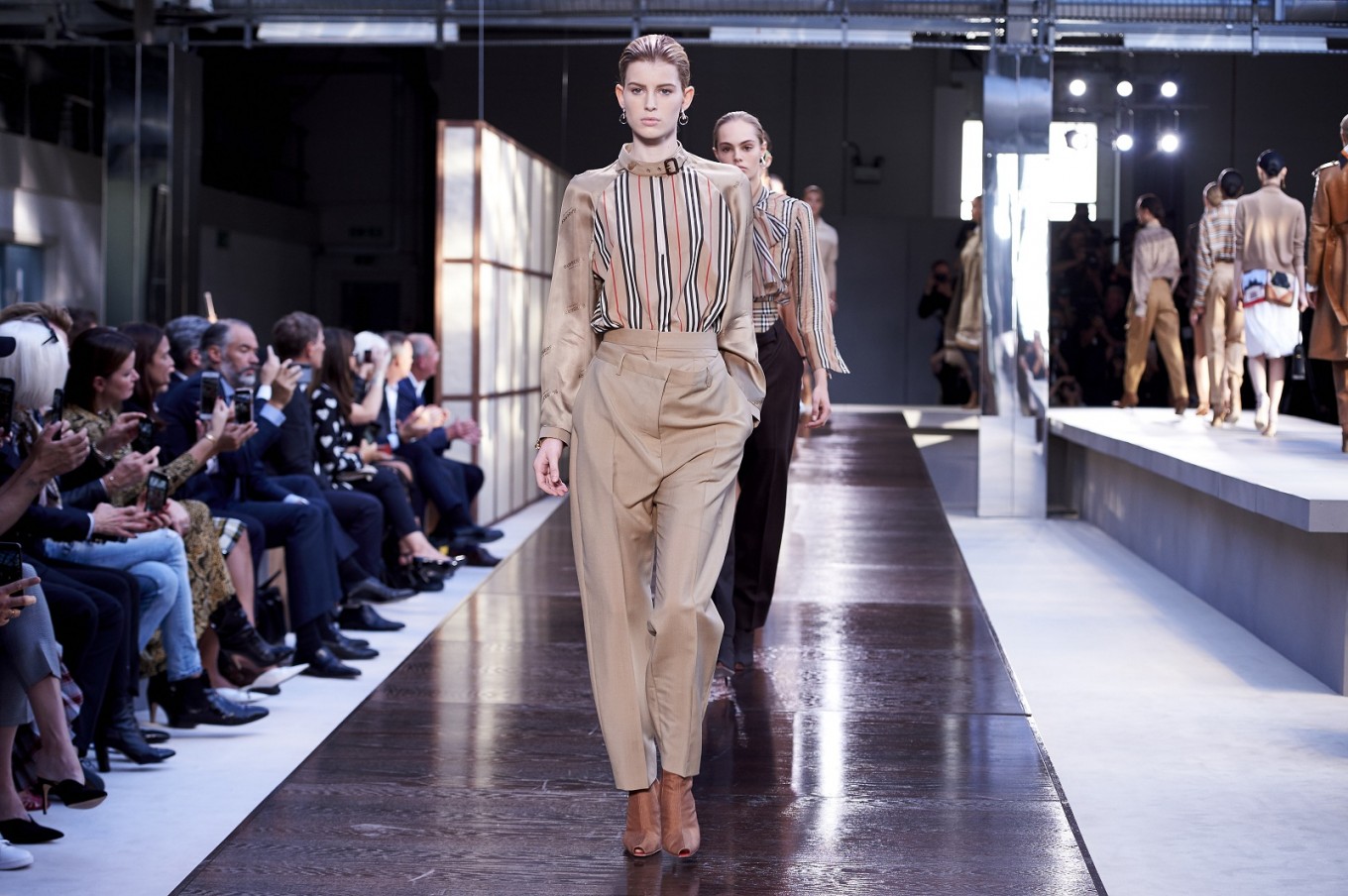
1. Trend Analysis: Remaining at the forefront of fashion movements is essential for a fashion buyer, requiring participation in runway events, review of trend projections, and close monitoring of seasonal shifts to predict what shoppers will be drawn to next.
2. Supplier Negotiations: Cultivating relationships with suppliers is a crucial element of a buyer’s role. Fashion buyers must negotiate prices, delivery dates, and terms to maximize profitability while ensuring quality standards are met.
3. Inventory Management: Determining purchase volumes and scheduling demands thoughtful evaluation, as buyers need to strike a balance between maintaining adequate inventory to satisfy demand and avoiding excessive orders that immobilize capital and elevate storage expenses.
4. Collaboration with Designers: Buyers frequently partner with design teams to craft unique collections or adapt current products so they align more effectively with brand objectives and customer tastes.
5. Financial Planning: A buyer must keep a keen eye on budgets and sales forecasts. Understanding mark-up requirements and setting achievable sales targets is crucial for maintaining profitability.
Skills Needed for a Fashion Buyer
Excelling as a fashion buyer demands a set of essential capabilities:
Analytical Skills: Evaluating sales data and consumer feedback allows buyers to make informed purchasing decisions.
Negotiation Skills: Obtaining top-value agreements from suppliers demands robust negotiating abilities, helping preserve cost-effectiveness and well-managed inventory levels.
Trend Awareness: Having a natural instinct for emerging fashion directions allows for the selection of items that will captivate and keep customers engaged.
Communication Skills: Being able to convey ideas and foster collaboration with both internal teams and external partners is essential.
How Technology Is Transforming Fashion Purchasing
In recent years, technology has revolutionized the way fashion buyers operate. Artificial intelligence provides data-driven insights that surpass traditional methods of trend forecasting. E-commerce analytics supplies detailed information on customer habits, aiding in more precise inventory management. Augmented reality allows buyers to visualize how designs will fit and look even before they are manufactured, facilitating better decisions in product selection.
Case Study: The Zara Approach
Zara, a leading global fashion retailer, exemplifies an innovative approach to fashion buying. By controlling most of its supply chain and using real-time data analysis, Zara responds rapidly to fashion trends. The company employs local buyers who keep an ear to the ground in terms of customer demands, and it can design and distribute new products in as little as two weeks. This agility in response time allows Zara to minimize overstock and ensure high sell-through rates.
A fashion buyer’s role is multifaceted, balancing creativity with business insight to drive retail success. As the fashion landscape continues to evolve with technological advancements and shifting consumer behaviors, the role of the fashion buyer becomes even more integral in shaping a brand’s identity and performance in the marketplace. Through strategic decision-making and a deep understanding of trends and consumer needs, fashion buyers are at the forefront of the retail industry, crafting the collections that define contemporary fashion.

:max_bytes(150000):strip_icc()/031225-paris-fashion-week-best-looks-2025-bf7e3e53cbdc418494573b0bb3d4418c.jpg "The Best Runway Looks from After a month-long parade of shows")
