Accessories in the fashion industry hold a significant role in enhancing personal style and fashion expression. From the dawn of civilization, individuals have adorned themselves with various accessories to signify status, wealth, and individuality. In contemporary society, the importance of accessories transcends mere decoration; they are pivotal elements in the realm of fashion that offer versatility, personalization, and transformation.
Enhancing and Completing the Look
Accessories like jewelry, belts, scarves, and hats play a vital role in completing any look, as they can quickly refine a simple outfit and help the wearer appear more unified and polished. Take a plain black dress as an example: when it is matched with a bold necklace or a colorful scarf, the entire ensemble shifts from simple to striking, demonstrating just how powerful the right accessories can be.
Flexibility and Versatility
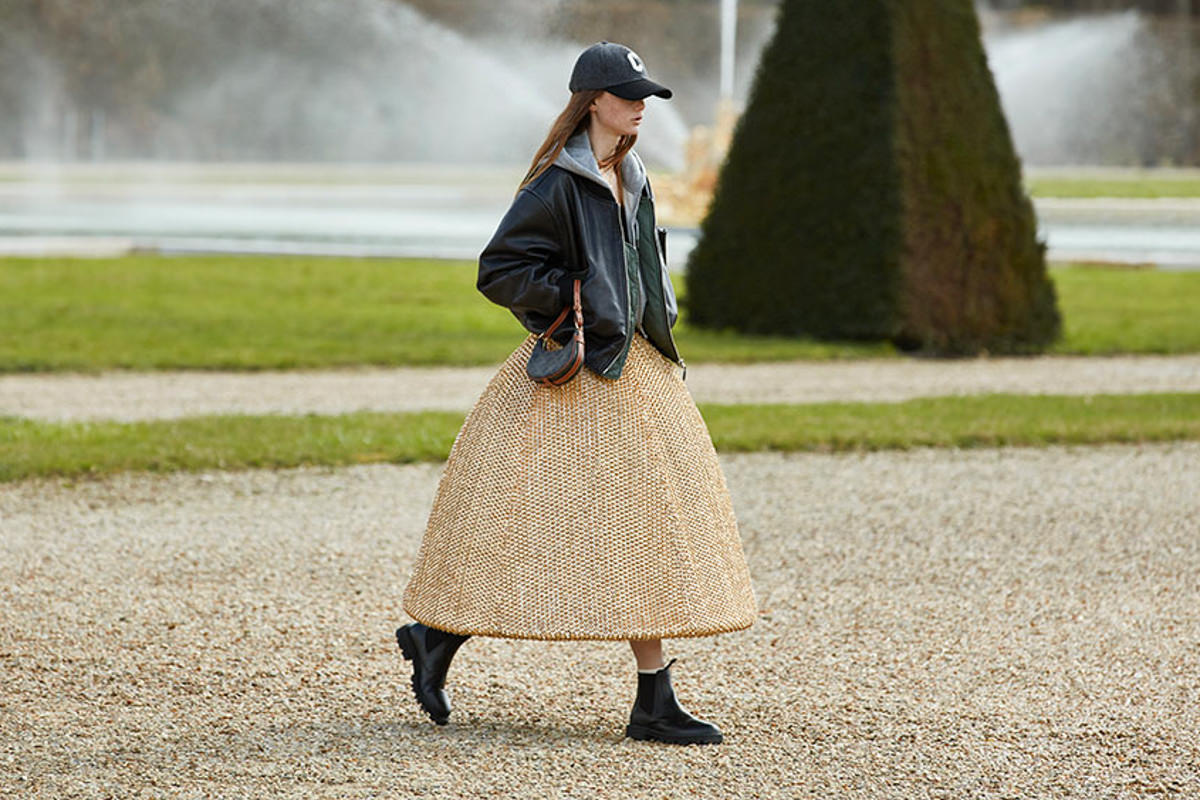
Another crucial aspect of accessories is their ability to provide flexibility and versatility in fashion choices. Accessories allow individuals to create multiple looks with a limited wardrobe. By simply altering the choice of earrings, bags, or shoes, one can shift from a casual, laid-back style to a more formal and sophisticated appearance. This adaptability ensures that fashion remains accessible and sustainable, empowering individuals to experiment with their style without overspending on new clothing.
Self-Expression and Personality
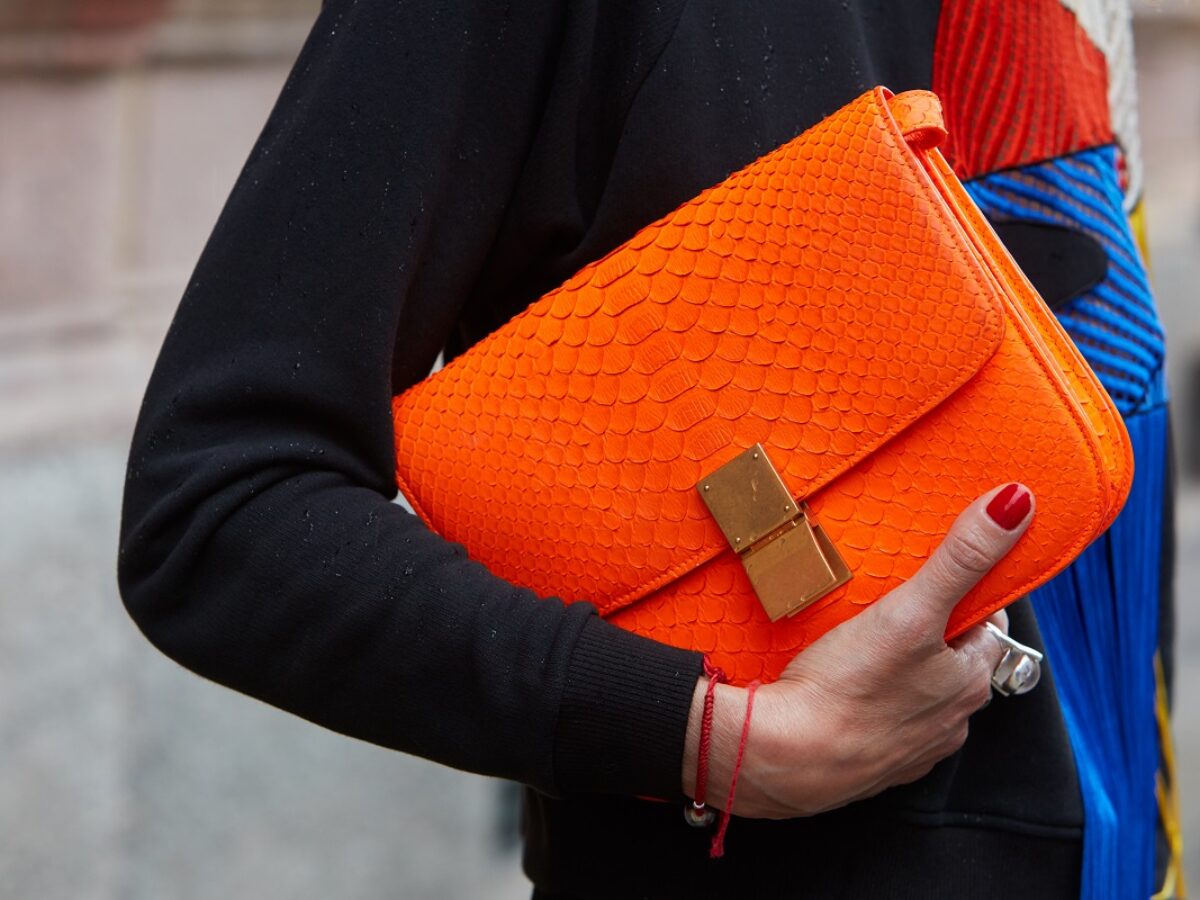
Fashion is a form of self-expression, and accessories play a pivotal role in reflecting personal style and personality. Unique pieces like handcrafted jewelry or vintage watches can convey a story, a cultural connection, or an element of the wearer’s identity. Designers often incorporate bold accessories into their collections to allow consumers to inject personality into their look effortlessly. For instance, an oversized hat or graphic bag can serve as a conversation starter, representing personal taste and creativity.
Cultural and Historical Relevance
Accessories often carry cultural and historical significance that adds depth to fashion narratives. Traditional accessories, such as the Japanese obi or the Indian bindi, provide rich cultural references that contribute to fashion’s diversity. Furthermore, historical pieces like the Victorian brooch or Art Deco jewelry offer insights into different eras’ fashion sensibilities, enabling modern stylists and enthusiasts to draw inspiration and pay homage to the past.
Case Studies in Accessory Impact
Consider fashion icons such as Audrey Hepburn and her association with the little black dress paired with a pearl necklace and sunglasses in “Breakfast at Tiffany’s,” where these accessories not only accentuated her character’s refined elegance but also evolved into symbols of enduring style. Another illustration is Lady Gaga, whose daring and frequently unconventional accessory selections challenge conventional norms, showing how such elements can shape a uniquely recognizable public identity.
Economic Influence of Accessories
The accessory market is a lucrative segment of the fashion industry, contributing significantly to the economy. According to a report by Statista, the global fashion accessory market was estimated to be worth hundreds of billions, underscoring its economic impact. This growth is driven by both timeless pieces and the emergence of innovative accessory trends that continually captivate consumers.
Accessories are far more than mere supplementary items; they are integral to the fashion ecosystem. They offer transformative possibilities, cultural richness, economic value, and a means for personal expression. Whether through the versatility of scarves, the drama of statement jewelry, or the practicality of functional bags, accessories shape the narrative of fashion and personal style. Reflecting on their role invites a deeper appreciation for the artistry and impact that accessories hold within the vibrant world of fashion.